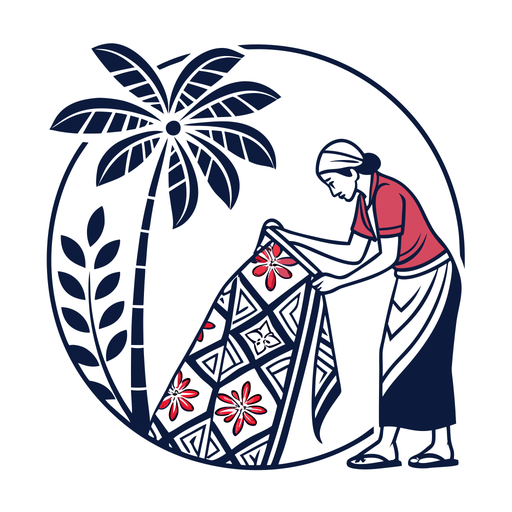
For buyers seeking ethically produced textiles, Indonesian sarongs made from organic cotton present a compelling choice. These garments not only reflect Indonesia’s rich cultural heritage but also align with contemporary sustainability trends. As the global textile industry shifts towards more responsible production, these sarongs stand out for their authenticity and environmental consciousness.
Understanding the Appeal of Sustainable Indonesian Sarongs
Indonesian sarongs are a staple in the global textile market, known for their intricate batik designs and cultural significance. In particular, sustainable sarongs crafted from organic cotton are gaining traction. These garments are produced using methods that minimize environmental impact, reflecting a growing trend towards eco-friendly fashion. Factories in Bali, such as those in Denpasar, produce and export these sarongs, catering to international markets. With the rise of conscious consumerism, the demand for sustainable textiles is expected to increase, making Indonesian sarongs a strategic choice for buyers looking to expand their eco-friendly product lines. The use of organic cotton not only reduces the carbon footprint but also ensures that the sarongs remain soft and durable, appealing to consumers worldwide.
Production and Export from Bali and Java
Bali and Java are central hubs for the production of Indonesian sarongs. Factories like BatikSarong.com, operating in both regions, specialize in wholesale exports, utilizing sea freight to reach major global ports. These factories adhere to Indonesia’s textile export and customs framework, ensuring smooth international transactions. The production process involves skilled artisans who craft each sarong with precision and care, often combining traditional batik techniques with modern designs. This blend of tradition and innovation allows for a diverse range of products, from classic batik patterns to contemporary styles. As the export industry in Bali continues to expand, international buyers can benefit from the region’s expertise and efficiency in textile production.
The Role of Organic Cotton in Sustainable Fashion
Organic cotton is a cornerstone in sustainable fashion, offering a more environmentally friendly alternative to conventional cotton. This material is grown without synthetic pesticides or fertilizers, significantly reducing its ecological impact. In the context of Indonesian sarongs, organic cotton enhances the product’s appeal by aligning with global sustainability standards. Factories in Bali, such as IGS Bali, are at the forefront of this movement, providing high-quality sarongs that meet the demands of eco-conscious consumers. The use of organic cotton not only supports environmental goals but also ensures the health and safety of the farmers and artisans involved in the production process. As a result, buyers can offer products that are both ethically produced and culturally significant.
Custom Design and Private Label Opportunities
Bali-based manufacturers offer extensive custom design and private label opportunities, catering to international summer and beachwear collections. Buyers can collaborate with factories like those in Denpasar to create unique designs that reflect their brand identity. Customization options include a range of fabrics, colors, and patterns, allowing for a tailored product that meets specific market needs. This flexibility is particularly appealing to brands looking to differentiate themselves in a competitive market. Furthermore, the ability to produce private label sarongs provides an opportunity for brands to expand their product offerings without investing in extensive in-house production capabilities.
Logistics and Shipping Considerations
When it comes to logistics, Indonesian sarong manufacturers typically use sea freight for international shipping, offering a cost-effective solution for bulk orders. Buyers can expect to receive their shipments in standardized containers, ensuring the safety and integrity of the products during transit. Factories like BatikSarong.com are experienced in handling export documentation and complying with Indonesian customs regulations, facilitating a smooth shipping process. Buyers are encouraged to confirm specific shipping arrangements and timelines directly with the manufacturers to ensure alignment with their operational needs.
Market Trends and Future Outlook
The global market for sustainable textiles is on the rise, with consumers increasingly prioritizing eco-friendly and ethically produced products. Indonesian sarongs, made from organic cotton, are well-positioned to capitalize on this trend. As the demand for sustainable fashion grows, buyers can benefit from sourcing these products to meet consumer expectations and enhance their brand’s reputation. The combination of traditional craftsmanship and modern sustainability practices makes Indonesian sarongs a valuable addition to any product lineup. Looking ahead, the industry is poised for continued growth, driven by innovation and a commitment to sustainability.
Connecting with Indonesian Sarong Exporters
For buyers interested in sourcing sustainable Indonesian sarongs, establishing direct communication with manufacturers is crucial. Platforms like WhatsApp and email are commonly used for inquiries, facilitating efficient communication. Manufacturers in Bali, such as IGS Bali, provide contact information for potential buyers to discuss their specific needs and explore partnership opportunities. By engaging directly with these manufacturers, buyers can gain insights into production capabilities, customization options, and logistical arrangements, enabling informed decision-making.
To explore more about the Indonesian textile export market and how to source sustainable sarongs, visit our Indonesia Textile Exporter page. For personalized assistance or to initiate an inquiry, please contact us today.
Related guide: Bali Sarong Minimum Order